
Bloomin’ Brands
Vice President, IT · Senior Director, Enterprise Architecture, Engineering, Cloud Data & Integrations · Director, Restaurant Applications & Consumer Data · Manager, Restaurant Applications and Implementation · Developer III
About Michael H. Caruso
Michael Caruso is a technology executive with more than 25 years of experience, from building enterprise technology to leading technology organizations through business transformation.
Executive biography
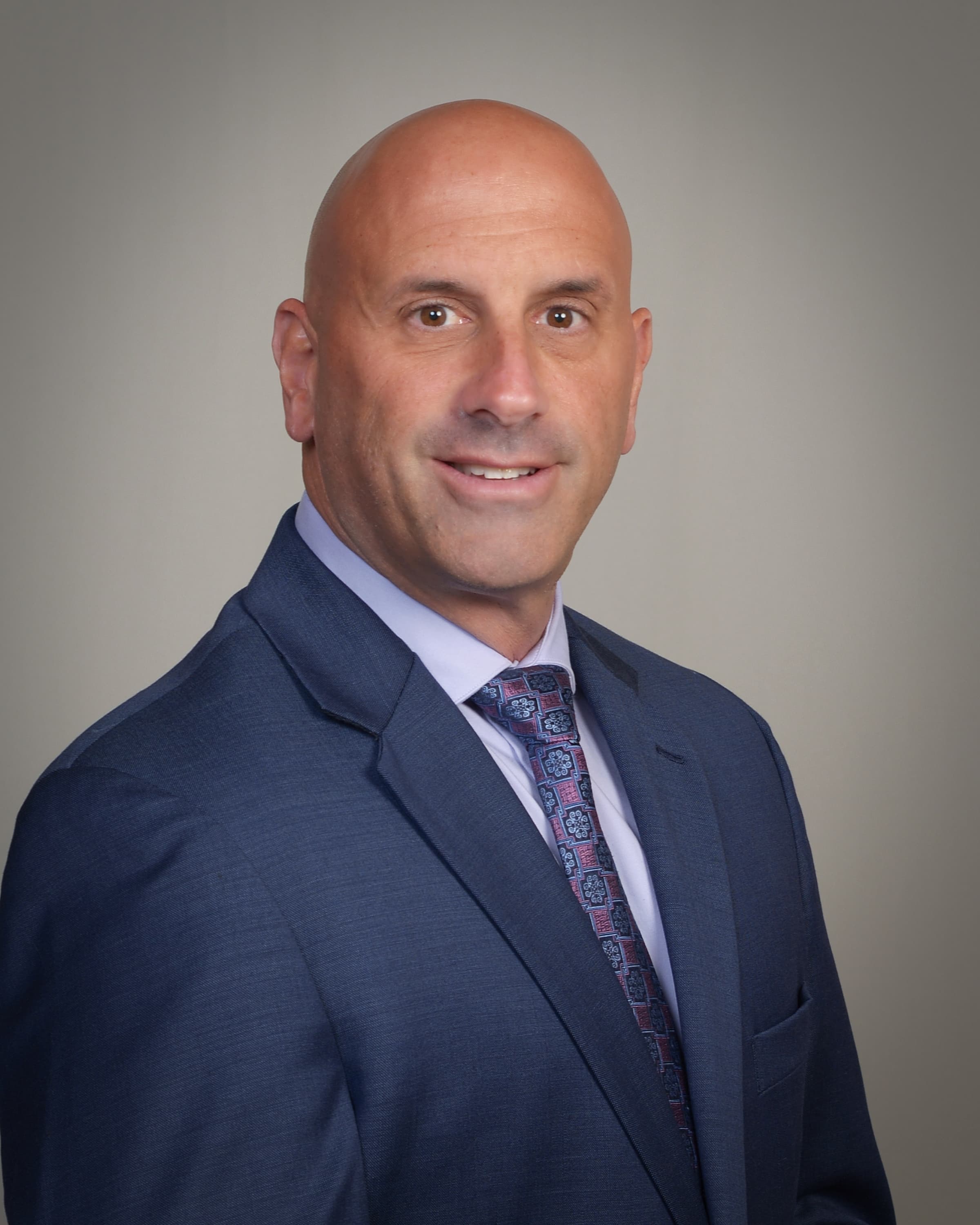
“I evolved from building the technology businesses depend on to leading through technology to transform the business.”
Michael's perspective as an executive was shaped by years of building technology and broadened as his responsibilities expanded to include the business, financial, operational, and organizational implications of technology decisions.
His career began as a software engineer, building enterprise systems and solving problems close to the technology. Over time, his responsibilities grew from individual applications and platforms to broader technology domains, teams, and eventually enterprise-wide transformation. That progression gave him firsthand experience with both building technology and building the teams and organizations needed to deliver and sustain it.
As Michael moved into broader leadership roles, technology decisions became less about individual systems and more about understanding their consequences across the enterprise. Architecture, cost, resilience, risk, operations, organizational capability, and the ability to execute all became part of the decision-making process.
Experience reinforced that those considerations cannot be separated easily. A technically sound solution may be too expensive to operate. Reducing cost in the wrong place can introduce risk or make future change more difficult. A modernization effort can have the right architecture and still fail if the organization is not prepared to execute it. And sometimes the better decision is to simplify, buy rather than build, or stop investing in something that no longer makes sense.
That broader perspective changed the questions he asks. What problem are we actually trying to solve? Where should we invest? Which capabilities will create the most value? What should we simplify or stop doing? What are the economics and tradeoffs? What risks are we accepting? Do we have the people and capabilities to execute? How will we know whether it worked?
Those experiences taught Michael to look beyond whether something can be done and ask whether it should be done, what it will take to succeed, and what it will ultimately mean for the business.
Michael approaches technology strategy from the business backward, starting with the problem or opportunity rather than the technology itself. Understanding what needs to change, why it matters, and how success will be measured helps determine where technology can make a difference and what capabilities are needed to get there.
That approach has shaped the way he has used technology throughout his career. Modernization has been a way to reduce complexity, cost, and risk. Data has helped people make better decisions. Architecture has helped simplify technology environments and guide investment. Automation and AI have changed how work gets done. The technology and circumstances may be different, but the starting point is the same: what business outcome are we trying to achieve, and what needs to be different when we're done?
Experience has also taught him that choosing the right technology is only part of the job. Lasting change requires teams with the right skills, leaders who can take ownership, clear accountability, and ways of working that allow the organization to execute and sustain the change. Building those capabilities can be every bit as challenging as the technology itself, particularly when the organization is changing at the same time.
For Michael, the outcome is ultimately what matters: does the business operate better, cost less to run, become more resilient, or have capabilities it did not have before?
Michael believes technology leaders have to balance getting the most from the capabilities they already have with understanding what is becoming possible. Existing technology should continue to be improved, optimized, and put to better use, while emerging technologies should be explored deliberately enough to understand where they may create new opportunities.
For him, exploration is a discipline, not a reason to chase every new technology. He stays close to emerging capabilities, particularly AI, agents, and AI-assisted development, to understand them firsthand, test assumptions, and determine where they can solve a real problem or create value. Just as importantly, that exploration helps inform where not to invest.
The goal is to keep improving what already works while staying close enough to what is changing to recognize when something new deserves investment. That balance allows the organization to explore what is possible without chasing technology simply because it is new.
Career progression
Vice President, IT · Senior Director, Enterprise Architecture, Engineering, Cloud Data & Integrations · Director, Restaurant Applications & Consumer Data · Manager, Restaurant Applications and Implementation · Developer III
Senior Software Engineer
Technical Lead Developer
Lead Software Engineer · Software Engineer
Education & development
Stony Brook University
Azure AI Fundamentals · Azure Data Fundamentals · Azure Fundamentals
Certified Scrum Master · Scrum Alliance